Where we harvest
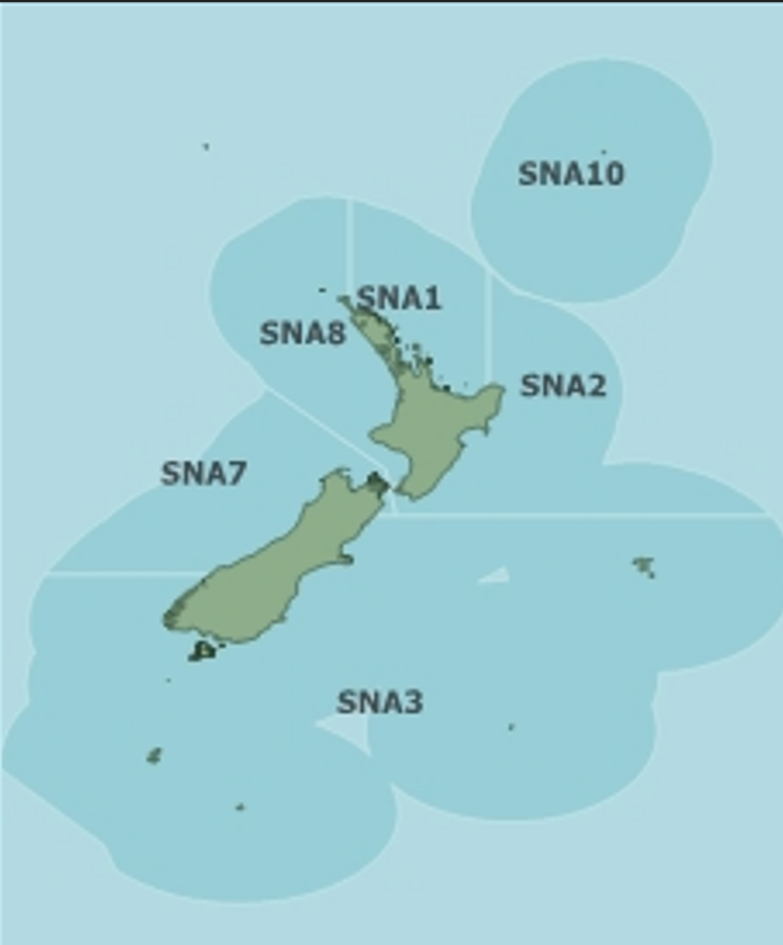
Areas and Limits
following the fish
We fish all around Aotearoa, in areas carefully defined and managed by specie. For each specie there are set catch limits (TAC) that we follow and monitor thanks to electronic reporting.Snapper is caught and monitored in the SNA areas as shown in the image to the right.
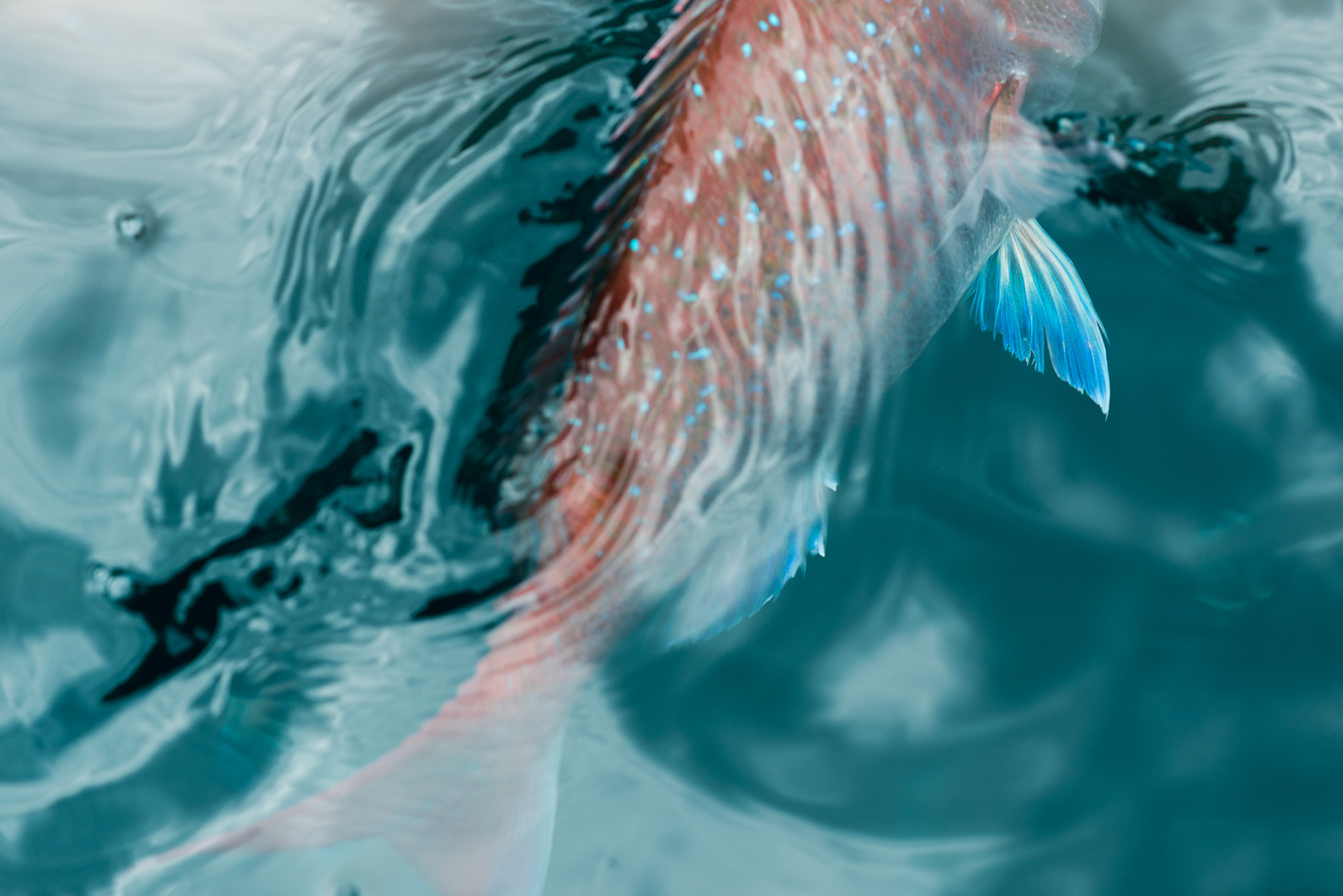
Plenty of fish in the sea
stock levels in the SNA 8 zone
In recent years, SNA 8 has seen a significant rebound in the abundance of fish stocks. With plenty more fish in the water, the Government reviewed the catch settings and increased the total allowable catch (TAC). The new TAC levels are set so that fish stocks can continue to grow in abundance, ensuring sustainable use of the fishery. So, you can rest assured that there are and will continue to be plenty of fish in the sea.
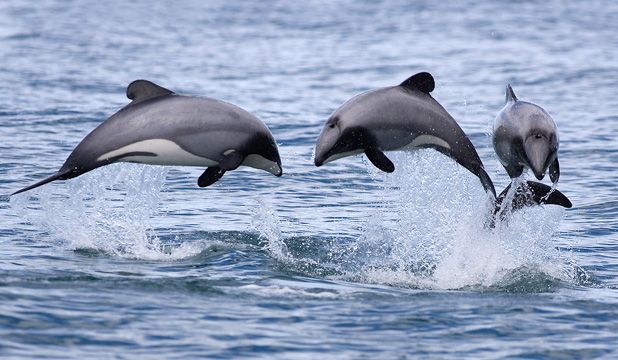
Māui Dolphins
the worlds smallest & rarest dolphins
As a Māori organisation, we are well versed in the responsibilities and duties required to fulfil our obligations as kaitiaki for the betterment of Tangaroa.
While the last recorded fatality of a Māui dolphin attributed to the commercial fishing industry took place in 2002, that’s a statistic that 100% Māori owned Moana New Zealand wants to remain unchanged.
In light of this, we created our Māui dolphin commitment in 2016, aiming to ensure Māui-safe fishing in the rare dolphin’s habitat off the West Coast of the North Island.
As part of this commitment, we have invested $500,000 alongside Sanford to boost research and compliance across fishing vessels, resulting in all Moana trawl vessels in the Māui dolphin habitat having video cameras and electronic tracking.
Māui63 Drone Project
Māui dolphins from above
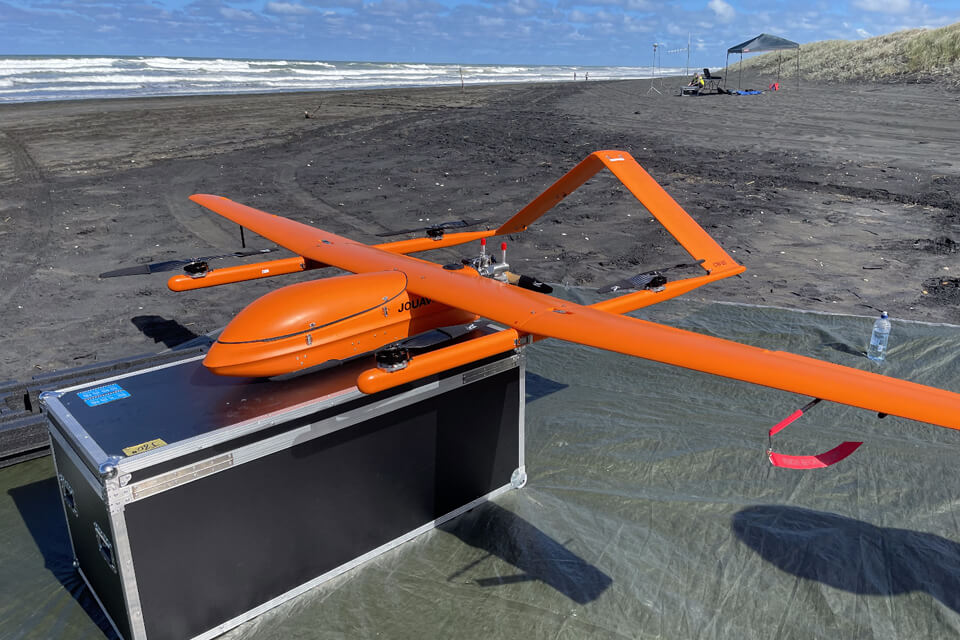
Under the Māui63 drone project, we’ve found a way to watch Māui dolphins from the skies, catalysing efforts to bring them back from the edge of extinction.
Alongside WWF and Sanford, we're supporting the Māui63 drone project who use drones to conduct aerial surveys of Māui dolphins, looking at population abundance and spatial distribution.
This information will be used to predict dolphin movements and track dolphins – enabling more accurate habitat models and improved Government risk assessment science. For us, this information will help ensure that our fishing operations do not overlap with the Māui dolphin habitat.
We all have a role to play in protecting these taonga species, and with kaitiakitanga being at the forefront of Moana's kaupapa, it's only natural that we support this initiative.