Hononga Tūturu – Sustainability Strategy
Our performance


Moana FY25 Emissions by Scope
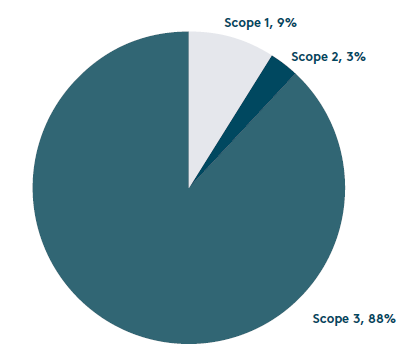
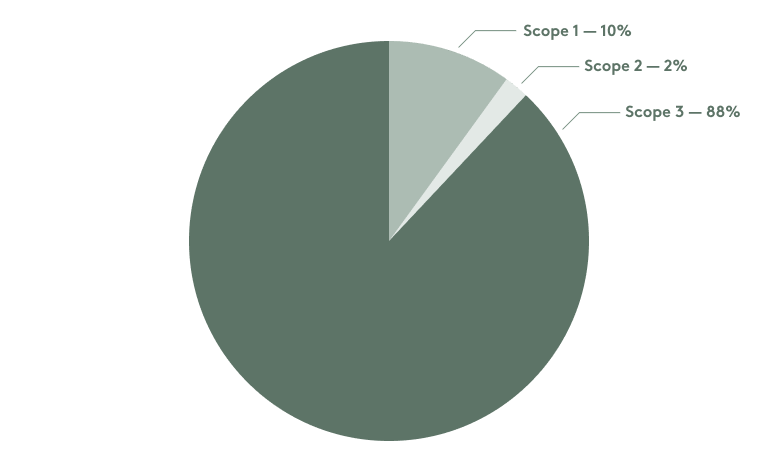
Scope 1: Direct emissions from sources owned or controlled by the reporting entity.
Scope 2: Indirect emissions generated by purchased energy.
Scope 3: Indirect emissions resulting from activities undertaken by the organisation but not directly controlled by it.
Moana FY24 Emissions by Scope
Decarbonising across Moana
Moana New Zealand recognises climate change to be the greatest threat to the planet and we're doing our part in this fight. We're committed to absolute reduction of emissions wherever we can and with this in mind are focusing on our scopes 1 and 2 emissions.
This includes:
- Undertaking a feasibility study for the gas boiler used to run our retort machines to make ready-to-eat meals in Palmerston North.
- Reducing refrigerant use.
- Undertaking a logistics review given our business has changed significantly with increased ACE via the Sanford long-term lease agreement.
- Investigating solar power generation.
For Scope 3 emissions, this means:
- Supporting fishers to understand possible pathways for reducing carbon emissions through technology and propulsion upgrades.
- Looking at how we transport our product to export markets, including moving from whole fish to fillet and increasing shipment volumes to reduce reliance on airfreight.
Moana's total carbon emissions for FY2025 was 31,124 tCO₂e, which represents an 8% increase from the FY24 base year. This was not surprising, with our highest ever landings in Ika and the first full year of operations at our newest facility, the Wellington Kaimoana Hub.